Wolff’s law. When I was in massage school, it was one of the mantras that stuck with me: Bone is living tissue and will remodel based on the forces acting upon it.
But what does that mean? And why would a massage therapist care about bones? The answer goes a long way to explaining how manual techniques create change in our tissues — in other words, how bodywork helps you feel better.
You may have heard that weight-bearing exercise is good for increasing bone density. The reason for this is mechanotransduction. Mechanotransduction is a process in which our cells convert mechanical forces such as compression or shearing into chemical and electrical signals. These signals trigger other cells to act and trigger physical, behavioral, and even genetic changes is the original cell.
In your bones, it works like this:

When you pick up a weight, your tendons pull on your bones, deforming cells, moving fluid, and changing electrical signals.
(Remember — bones are living tissue. They’re not as dry or static as you might think!)
Sensory cells pick up these changes and send out their own electrical and chemical signals, which are passed along by bone cells called osteocytes, that trigger osteoblast cells to make more bone.
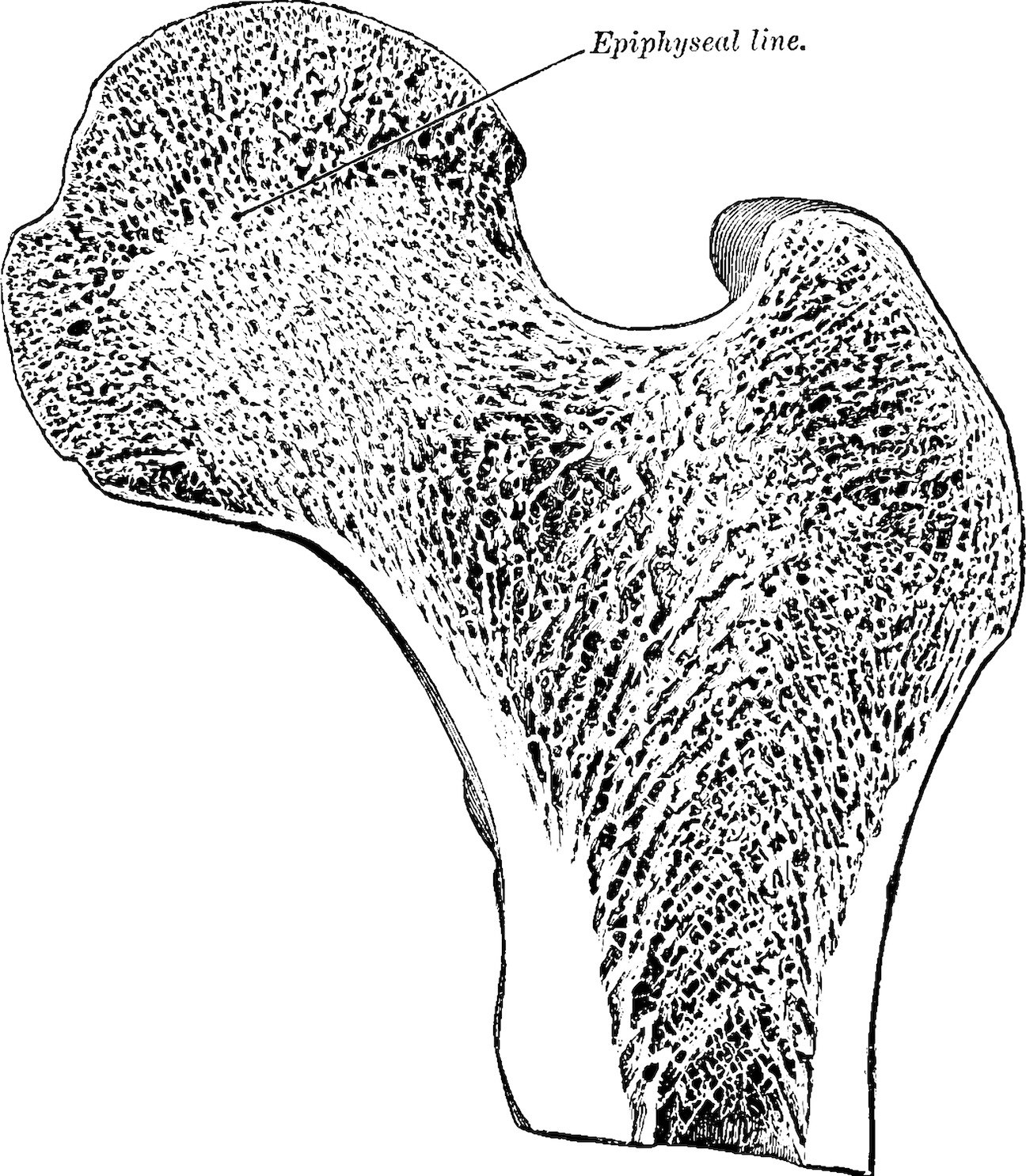
Looking at the intricate detail of bone tissue (this is the head of the femur, where the leg bone connects into the hip socket), it is easy to imagine how cells are laid down in unique patterns corresponding to the exact vectors of strain the body experiences.
For great imagery of the dynamic world inside your bones, check out this video.
And this process doesn’t just happen in bones. Muscles, cartilage, and fascia register strain and call for remodeling in much the same way. The cells lining your bladder and your blood vessels signal when they experience stretch and trigger constriction to modulate your internal fluid and pressure dynamics. Depending on how we move or load our fascia, it can adapt its matrix of cells to include more or less collagen, meaning it will become more gliding and stretchy or more sturdy and solid depending on what it’s been asked to do. Our cells have an ingenious way of communicating their precise experience and needs. If they’re getting squished, something needs to change — and change is on the way.
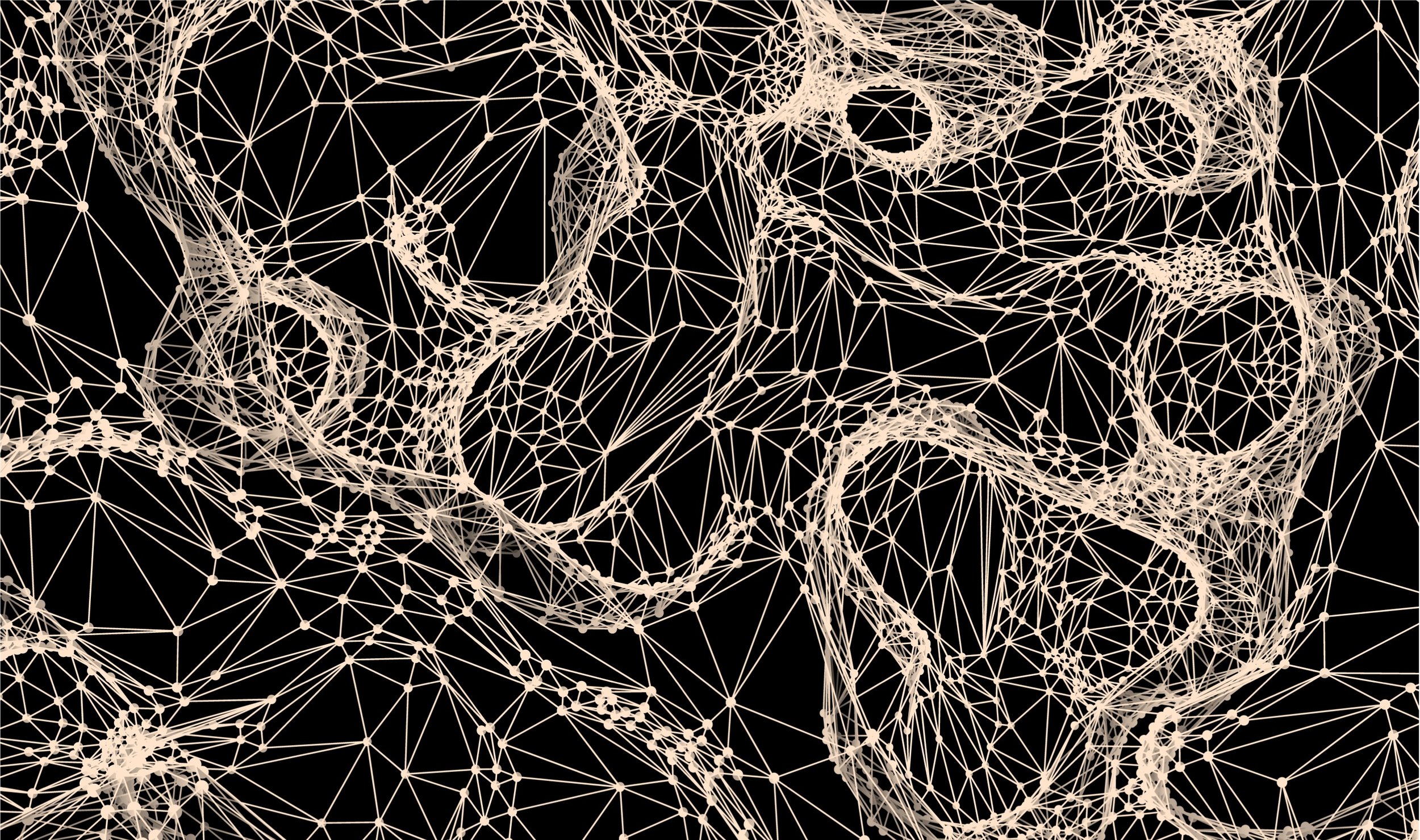
As a manual therapist, I find all this intriguing because stretch and compression is how I communicate with your tissues.
It’s fascinating to consider that bodywork can directly impact cell function and chemistry in the body. In fact, some researchers are working to create drugs that mimic the effect of mechanical force.
It helps explain why giving the body a little bit of slack and space can be so impactful. And how a gentle touch can work to release scar tissue, fascial adhesions, or locked-on muscles. The collagen in our connective tissue is as strong as steel. To break that up I would need a scalpel, not my thumbs, and I’d release a cascade of inflammatory and other responses. Instead, I’m giving specific cells an experience of specific compression and stretch, and they adapt themselves to become cells that move in that way.
And I love knowing that our bodies are made up of a fluid, chemical, electrical matrix that is sensitive, alive, and responsive!